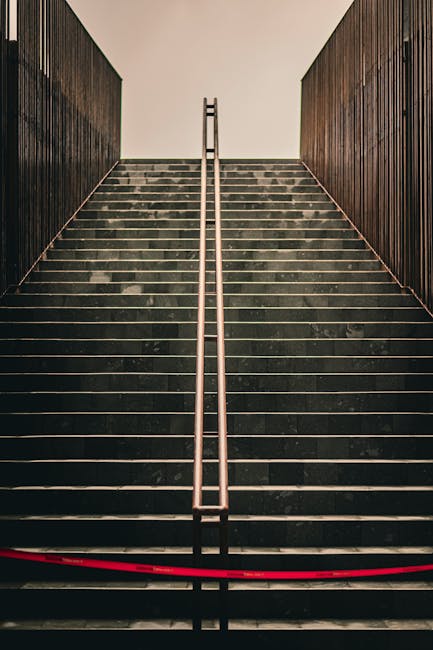
Difficult access removals in Clapham Park steep stairs tips
If you are planning a move in Clapham Park and the stairwell already looks like a challenge before a single box is lifted, you are not alone. Difficult access removals in Clapham Park steep stairs tips is really about making a tight, awkward move feel calm, safe, and organised. That might mean a top-floor flat, a narrow staircase, a heavy sofa that barely fits, or a landing where turning a wardrobe feels like a minor engineering problem. Truth be told, that is where most moving stress begins.
This guide breaks down how to prepare properly, reduce risk, protect your furniture, and make the day run more smoothly. You will find practical planning advice, stair-safe lifting tips, a simple checklist, and realistic guidance on when to bring in experienced removal services for a more difficult property layout. Let's make the awkward bits manageable.
Why Difficult access removals in Clapham Park steep stairs tips Matters
Steep stairs change everything. A normal move can turn awkward fast when there is no lift, no room to pivot, and barely enough space for two people to pass each other. In Clapham Park, that might mean older conversions, maisonettes, estate flats, or homes where the staircase feels a bit too intimate. You know the type: the bannister digs into the shoulder, the landing is tiny, and every box seems to have one extra corner just to be difficult.
Why does this matter so much? Because poor planning on stairs creates avoidable problems: scuffed walls, damaged furniture, strained backs, blocked hallways, and delays that spread through the whole day. A move that should feel controlled can suddenly become a scramble. And nobody wants that at 8 a.m. with a kettle packed away.
The good news is that most difficult-access removals can be improved with the right preparation. You do not need perfection. You need a sensible plan, clear measurements, the right people, and a realistic view of what fits, what needs dismantling, and what should be carried differently. That is the practical heart of it.
For many local moves, the difference between a stressful experience and a smooth one is simply whether the stairs were treated as the main job, not an afterthought.
How Difficult access removals in Clapham Park steep stairs tips Works
Difficult access removals work best when the move is treated as a route-planning exercise, not just a lifting job. The team needs to understand the property layout, stair width, turning points, parking access, and whether the item can be carried safely in one piece. If not, it may need disassembly or a different moving method.
In practice, the process usually starts before moving day. A proper assessment helps identify the awkward parts: narrow staircases, low ceilings, tight landings, sharp turns, and items that may need two-person control or protective wrapping. Small details matter. A bulky armchair can be easier than a flat-pack wardrobe that catches on every corner. Strange, but true.
The mover's job is not just to lift. It is to manage the route. That means deciding the carrying angle, protecting the walls and banisters, keeping foot traffic clear, and making sure everyone on the stairs knows when to pause, shift, or reverse. On a steep staircase, communication is everything. One wrong step and the whole rhythm goes off.
For some homes, the best approach is:
- measure first
- remove obstacles early
- wrap and protect fragile edges
- split large furniture where sensible
- carry in the correct order, usually larger or heavier items first
If the move needs a van, you can also look at a suitable removal van or moving van size that matches the access challenge rather than overloading the job with unnecessary bulk.
Key Benefits and Practical Advantages
Good planning for steep stairs removals is not just about avoiding drama. It has a few very real benefits that show up immediately on the day.
1. Less risk of damage. Walls, skirting boards, bannisters, and furniture edges are far less likely to get battered when the route is planned properly. That alone saves a lot of post-move regret.
2. Faster progress. A measured, organised carry usually beats repeated attempts to squeeze a sofa around a corner. You may not feel it in the moment, but the time saved adds up quickly.
3. Safer lifting. Steep stairs increase the strain on knees, backs, and grip strength. Using the right technique and equipment reduces the chance of injuries. Simple as that.
4. Less stress for everyone. When people know the plan, they stop second-guessing each move. The atmosphere stays calmer, and honestly, that matters more than people admit.
5. Better handling of awkward furniture. Large wardrobes, beds, white goods, and sofas often need specialist handling. The right approach gives those items a better chance of arriving intact.
6. Fewer surprises on the day. If parking, lift access, or stair restrictions are sorted early, there is less last-minute improvisation. And let's face it, improvisation and stairs are not the best combination.
There is also a quieter benefit: peace of mind. When you know someone has checked the route and thought through the difficult bits, the move feels much more manageable.
Who This Is For and When It Makes Sense
This kind of support makes sense for a wide range of people. You do not need to be moving a mansion to need help with difficult access. In fact, most issues happen in perfectly ordinary homes.
You are likely to benefit if you are:
- moving into or out of a top-floor flat with steep stairs
- dealing with narrow hallways or awkward turns
- moving bulky furniture such as wardrobes, sofas, beds, or appliances
- trying to complete a same-day move with a tight schedule
- helping parents, tenants, or a household with mixed access needs
- moving in an area where parking is limited and stair carrying is already demanding
It also makes sense if you want to avoid the kind of moving day that ends with three people staring at a chest of drawers and quietly pretending it might shrink itself. It will not.
If you are unsure whether you need support, ask a simple question: can the largest item be carried safely without forcing a sharp turn, a lift over shoulder height, or a risky pivot on the stairs? If the answer is no, treat it as a difficult-access move from the start.
Step-by-Step Guidance
A calm move up or down steep stairs starts long before the van arrives. Here is a practical process that works well in real homes, not just on paper.
1. Measure the route, not just the furniture
Measure the width of the stairs, the landing space, the doorway openings, and the height of any low ceilings or overhanging light fittings. A sofa that fits through the front door may still fail at the turn on the first landing. That is where people get caught out.
2. Identify the awkward items early
Make a list of everything that may be difficult to carry: beds, mattresses, mirrors, washing machines, glass tables, bookshelves, and anything with odd dimensions. These are the items most likely to need dismantling or extra protection.
3. Decide what can be taken apart
Flat-pack furniture often comes apart more easily than people expect, but some older items are trickier. If a wardrobe or bed frame can be safely dismantled, it often becomes much easier to move. Keep fittings in labelled bags. Tiny screws have an annoying habit of disappearing at the exact worst moment.
4. Clear the stairwell completely
Remove shoes, mats, loose items, bins, plant pots, and anything else that narrows the route. Even a small obstruction can force a wider turn and increase the chance of a knock or scrape.
5. Protect surfaces before lifting starts
Use covers, blankets, or proper protective material on walls, bannisters, and vulnerable corners. In a steep stairwell, protection is not optional. It is part of the move. A few extra minutes here can save a lot of bother later.
6. Plan the order of loading
Usually the heaviest, most awkward items go first or are loaded with a clear access strategy. Boxes follow in a way that keeps the van balanced and the unloading sequence sensible. Not glamorous, but it works.
7. Use controlled communication
Everyone carrying should use simple signals: stop, lift, rotate, lower, wait. On stairs, vague instructions are risky. Clear calls keep movements smooth. One person should lead the carry and set the pace.
8. Reassess if the route changes
Sometimes you discover the banister comes out further than expected, or a mattress will not make the landing turn. Pause. Reassess. Forcing it rarely helps. A small reset is better than an injury or damage.
9. Finish with a final sweep
Once the move is done, check the stairwell, landings, and the route to make sure no fixings, wrapping, or packing debris has been left behind. It is one of those last ten minutes that saves a lot of annoyance.
Expert Tips for Better Results
Here are the bits that often make a real difference, especially in Clapham Park homes where access can be tight and staircases a bit unforgiving.
Tip 1: Measure the awkward angle, not just the straight line. People often measure width and forget the angle of the turn. The turning point is where many large items fail.
Tip 2: Wrap corners and handles separately. A sofa arm or wardrobe edge is usually what gets clipped first. Extra padding in those spots can prevent tears and chips.
Tip 3: Keep one room as the staging area. A clear landing or hallway gives movers space to rest an item, reset their grip, and avoid blocking the whole staircase.
Tip 4: Use the right number of people. Too few people and the item becomes unsafe. Too many and the stairwell turns into a traffic jam. Balance matters.
Tip 5: Don't underestimate mattresses. They seem soft and easy until they catch the stair rail or balloon at the landing. A mattress bag and a controlled angle help a lot.
Tip 6: Move in better lighting. A dim stairwell makes depth harder to judge. If needed, add temporary lighting so people can see each step clearly. Small thing, big impact.
Tip 7: Think about timing. Early morning or a quieter part of the day can reduce pressure from neighbours, shared entrances, and hallway traffic. In a block, that can make the whole move feel less tense.
Tip 8: Be realistic about DIY. It is perfectly fine to move small boxes yourself and leave the big, awkward pieces to people used to the job. That is not giving up. That is sensible.
A little honesty helps here. If a wardrobe needs to be tilted, rotated, and coaxed down a steep stairwell while someone holds a door open and another person protects the wall, you may already be in specialist territory.
Common Mistakes to Avoid
Most problems with difficult access removals come from rushing, guessing, or assuming the stairwell will be "fine on the day". It rarely is.
- Not measuring properly. Guessing the size of a staircase is a classic mistake. Tape measure first, optimism second.
- Leaving clutter on the stairs. Even a pair of shoes can become a trip hazard when people are carrying heavy items.
- Forcing oversized furniture. If it does not turn, it does not turn. Forcing it can damage the item or the property.
- Ignoring weight distribution. One person carrying too much weight on stairs is a recipe for strain.
- Not protecting the property. A nicked wall or chipped bannister is avoidable in many cases.
- Underestimating fatigue. Stairs are tiring. The tenth carry is harder than the first, which sounds obvious until you are living it.
- Poor communication. If one person says "left" and another hears "lift", the whole thing becomes messy very quickly.
One of the biggest mistakes is assuming difficult access means the move must be chaotic. It does not. It only means the plan has to be better.
Tools, Resources and Recommendations
You do not need a warehouse of equipment to make a steep-stairs move work, but a few practical tools make life much easier.
- Furniture blankets and wrap for surface protection
- Mattress covers to keep bedding clean and make handling easier
- Ratchet straps for securing items in the van
- Tape, bags, and labels for screws, fixtures, and dismantled parts
- Gloves with a solid grip for handling slippery or awkward items
- Trolley or sack truck where the route and item allow it
- Floor protection for hallways, landings, and high-traffic points
It can also help to use a service page that matches the type of move you are planning. For example, people often compare general removals with more specific support such as man and van removals or a broader man and van option for smaller, access-heavy jobs. The right fit depends on how much there is to move and how awkward the stairs are.
For a fuller moving plan, some households also look at packing and unpacking services, especially when time is tight or breakables need extra care. That can take the edge off the day, no question.
Law, Compliance, Standards, or Best Practice
For difficult access removals, the key point is simple: the work should be carried out safely, with sensible manual handling and reasonable care for the property and everyone involved. In the UK, that usually means following recognised safe-working practices, using suitable equipment where necessary, and not asking anyone to lift more than they can safely manage.
From a practical standpoint, that includes:
- planning lifts before starting
- avoiding rushed carries on steep stairs
- using enough people for the load
- protecting walls, floors, and bannisters
- keeping entrances and exits clear
- making sure vehicles are loaded securely
Insurance is another sensible consideration. If furniture is damaged or a wall gets marked, you want to know the mover has proper cover in place. It is worth checking details early, not after something has gone wrong. The same goes for clear pricing and terms. A move involving stairs can take longer, and honest quoting is part of good practice.
If you want to review a company's approach to safety, look for clear information on their health and safety policy, insurance and safety, and pricing and quotes. You may also find it useful to check their terms and conditions and about us page for a clearer picture of how they work.
None of this needs to feel overly formal. It is just a sensible way to reduce surprises.
Options, Methods, or Comparison Table
There is more than one way to tackle a move with steep stairs. The right method depends on the size of the load, the layout, and how much time you have. Here is a straightforward comparison.
| Method | Best for | Pros | Trade-offs |
|---|---|---|---|
| DIY stair carry | Small boxes, light furniture, short distances | Low cost, flexible timing | Higher physical strain, more risk on steep steps |
| Man and van support | Small to medium moves with awkward access | More flexible, often cost-effective | May not suit very large or complex moves |
| Full removals team | Larger homes, heavy furniture, multiple floors | More hands, better coordination, quicker loading | Usually higher cost than basic help |
| Dismantle-and-move approach | Bulky items that will not turn on the stairs | Reduces damage risk, easier routing | Requires tools, time, and careful reassembly |
For many Clapham Park properties, the best answer is a mix: dismantle what makes sense, use extra protection, and bring in enough help for the heavier items. It is rarely one-size-fits-all.
Case Study or Real-World Example
A typical example: a two-bedroom flat in Clapham Park with a steep internal staircase, a narrow landing, and a sofa bed that looked manageable in the living room but became suspiciously larger the moment it reached the stairs. The residents had packed most boxes already, which helped, but the awkward items still needed a plan.
Before moving day, the team measured the route and identified the sofa bed, wardrobe, and mattress as the main issues. The wardrobe was dismantled. The sofa bed was wrapped carefully, and the landing was cleared of plant stands, shoes, and a small side table that would have caused a nuisance. There was also a quick check of the parking area so the unloading path stayed as short as possible.
On the day, the first pass with the sofa showed that the turn on the middle landing was too tight. Rather than forcing it, the team rotated the carry method, used a pause point on the landing, and protected the wall edge before trying again. That tiny adjustment saved time and prevented damage. The move still took concentration, of course, but it stayed controlled from start to finish.
The real lesson? Difficult access does not mean difficult all day. A few smart decisions early on usually make the whole thing easier.
Practical Checklist
Use this checklist the day before and again on moving morning. It is a simple thing, but it keeps the job grounded.
- Measure stair width, landings, doorways, and turns
- Identify the heaviest and most awkward items
- Decide which furniture needs dismantling
- Label screws, bolts, and fittings
- Clear the stairs, hallway, and entrance route
- Protect walls, corners, and bannisters
- Check parking and vehicle access near the property
- Confirm who is lifting and who is guiding
- Prepare gloves, wrap, straps, and floor protection
- Keep drinks, keys, and essentials separate from the main load
- Plan the order of loading and unloading
- Pause and reassess if an item feels unsafe to carry
Expert summary: if you prepare the route, reduce the weight where possible, and treat the stairwell like the main constraint rather than a side issue, the move becomes far more manageable. That is the difference between a stressful shuffle and a well-run job.
Conclusion
Difficult access removals in Clapham Park steep stairs tips are really about combining common sense with proper planning. Steep stairs, narrow landings, and bulky furniture do not need to ruin a move, but they do need respect. Measure carefully, clear the route, protect the property, and choose the right level of help for the job in front of you.
If you are weighing up whether to do it yourself or bring in support, look honestly at the largest item, the tightest corner, and the number of carries involved. Those three things usually tell you everything you need to know. And if the move still feels a bit too awkward to judge cleanly, that is normal. A lot of good moves start with a cautious pause, not a confident leap.
Get a free quote today and see how much you can save.
Sometimes the best move is the one that leaves the stairwell, and your shoulders, in better shape at the end of the day.
Frequently Asked Questions
What counts as a difficult access removal in Clapham Park?
It usually means any move where stairs, narrow hallways, tight turns, limited parking, or awkward item sizes make standard lifting harder than usual. A top-floor flat with steep internal stairs is a classic example.
How do I know if my sofa will fit down the stairs?
Measure the widest parts of the sofa and compare them with the stair width, landing space, and turning angles. If the item needs to be twisted sharply or lifted too high to clear the rail, it may need a different approach or dismantling.
Should I dismantle furniture before moving day?
If an item is bulky, heavy, or awkward on stairs, dismantling often helps. Beds, wardrobes, and shelving are common candidates. Just keep the fixings clearly labelled so reassembly is not a headache later.
Is a man and van service enough for steep stairs?
Sometimes yes, especially for smaller moves or a handful of larger items. For bigger homes or heavier furniture, a fuller removals team may be the safer, more efficient option. It depends on the load and access, not just the vehicle.
What should I protect first in a stairwell?
Focus on bannisters, wall corners, skirting boards, and any tight landing edges. These are usually the spots that take the first knock when people are turning large items.
How far in advance should I plan a difficult access move?
The earlier the better. Even a short move benefits from measurements, a route check, and a plan for the awkward items. A day or two is better than a last-minute scramble, though even a same-day plan is still worth doing properly.
Will moving on steep stairs take longer?
Usually, yes. Steep stairs slow things down because every carry needs more control, more care, and more rest points. That is normal. Rushing is what causes trouble.
Can removals teams help with packing as well?
Yes, many people choose packing support for fragile items, time pressure, or simply to reduce the number of things they have to manage themselves. It can be especially useful when access is already difficult.
What if the furniture gets stuck halfway up or down the stairs?
Stop immediately and reassess. Do not force it. A pause, a change in angle, or a partial dismantle is usually better than dragging something through a tight space and causing damage.
Are there any safety concerns with carrying heavy items on stairs?
Yes. The main risks are slips, strains, collisions, and property damage. Good lifting technique, enough people, clear communication, and proper protection reduce those risks quite a lot.
How can I keep the move calm on the day?
Keep the route clear, stay realistic about what can be carried safely, and avoid last-minute clutter or changes. A calm pace helps more than people think. Also, have tea ready if you can. Not a technical tip, but still a decent one.
Where can I find more help about removals in the local area?
You can look through local service pages such as home moves, house removals, or removals near me to compare support options and decide what suits your property and access best.